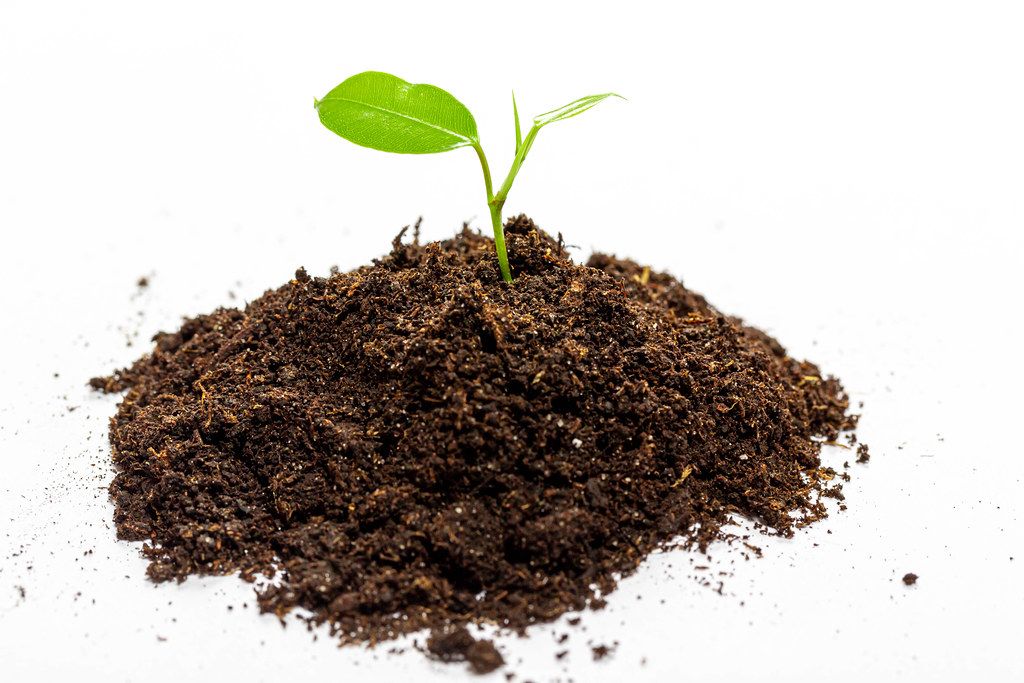
The Growing Popularity of Urban Farming Among City Dwellers has become a noteworthy trend as more individuals embrace the idea of cultivating their own food amidst concrete jungles. This movement not only promotes sustainability but also fosters a sense of community and self-sufficiency among urban residents. As cities expand, the need for green spaces and fresh produce becomes even more essential, leading to innovative gardening techniques that fit into the urban landscape.
From rooftop gardens to community plots, urban farming is reshaping city life. It offers health benefits, reduces food miles, and encourages local engagement, making it a compelling choice for city dwellers. With the integration of technology and the increasing awareness of food origins, urban farming stands to redefine our relationship with food and the environment.
In today’s fast-paced world, the ability to communicate effectively is more important than ever. Whether in personal relationships, professional settings, or casual encounters, how we convey our thoughts and ideas can significantly impact the outcome of our interactions. This article delves into the nuances of effective communication, exploring its various facets and offering practical tips for improvement. Understanding CommunicationAt its core, communication is the process of sending and receiving messages.
It encompasses verbal and non-verbal forms, including spoken words, written texts, body language, and facial expressions. Effective communication involves not just the clarity of the message but also the ability to listen, interpret, and respond appropriately.*Verbal Communication*Verbal communication is the most direct form of communication, involving spoken or written words. Clarity and conciseness are vital in verbal exchanges. Here are some tips to enhance verbal communication:
1. Be Clear and Concise
Avoid jargon or overly complicated language. Keep your sentences short and to the point.
2. Use Active Listening
Pay attention to the speaker, nodding or providing feedback to show you are engaged.
3. Ask Questions
If something is unclear, don’t hesitate to ask for clarification. This demonstrates interest and ensures mutual understanding.
4. Mind Your Tone
The tone of voice can convey as much meaning as the words themselves. Aim for a tone that matches the context of the conversation.*Non-Verbal Communication*Non-verbal communication includes body language, gestures, eye contact, and facial expressions. It often conveys emotions and attitudes more powerfully than words. To enhance your non-verbal communication skills:
1. Be Aware of Your Body Language
Your posture, gestures, and movements can all send messages. Ensure they align with your verbal communication.
2. Maintain Eye Contact
This helps to build trust and shows that you are engaged in the conversation.
3. Observe Others
Pay attention to the non-verbal cues of others. This can provide insights into their feelings and attitudes.
4. Practice Empathy
Try to understand the feelings behind the words. This can enhance your response and build stronger connections. Barriers to Effective CommunicationSeveral barriers can hinder effective communication. Recognizing these obstacles is the first step toward overcoming them:
1. Physical Barriers
Distance, noise, and environmental factors can disrupt communication. Choosing an appropriate setting can help minimize these issues.
2. Language Barriers
Differences in language or jargon can lead to misunderstandings. Simplifying language and checking for comprehension can help bridge this gap.
3. Emotional Barriers
Personal feelings and biases can cloud judgment and interpretation. Strive to remain objective and open-minded.
4. Perceptual Barriers
Different perspectives can lead to miscommunication. Acknowledging that others may see things differently can foster understanding. Improving Communication SkillsImproving communication skills is a lifelong journey that can significantly enhance personal and professional relationships. Here are some strategies to consider:
1. Practice Active Listening
Engage fully in conversations. Focus on the speaker, avoid interrupting, and provide feedback.
2. Seek Feedback
Ask friends, family, or colleagues for feedback on your communication style. Constructive criticism can provide valuable insights.
3. Expand Your Vocabulary
A rich vocabulary can enhance your ability to express thoughts clearly and precisely. Reading widely can help achieve this.
4. Participate in Public Speaking
Joining clubs like Toastmasters can boost confidence and improve verbal communication skills.
5. Reflect on Conversations
After a conversation, take time to reflect on what went well and what could be improved. This practice can lead to continuous growth. The Role of Technology in CommunicationIn the digital age, technology plays a crucial role in communication. Emails, instant messaging, and video conferencing have transformed how we interact. While technology offers convenience, it also presents challenges:
1. Be Mindful of Tone in Written Communication
Without vocal tone and body language, written messages can be easily misinterpreted. Use clear language and consider including emojis or exclamation points to convey tone.
2. Choose the Right Medium
Different situations call for different communication tools. For sensitive conversations, a face-to-face meeting or video call may be more appropriate than an email.
3. Limit Distractions
When communicating through technology, minimize distractions to ensure that you are fully present in the conversation. The Importance of Cultural AwarenessIn an increasingly globalized world, cultural awareness is vital for effective communication. Different cultures have varying norms and expectations regarding communication. To improve cross-cultural communication:
1. Educate Yourself
Learn about different cultures and their communication styles. This knowledge can enhance your ability to connect with diverse individuals.
2. Be Respectful and Open-Minded
Approach conversations with respect and an open mind. Be willing to adapt your communication style as needed.
3. Avoid Assumptions
Don’t assume that everyone communicates in the same way. Take the time to understand cultural differences and adapt accordingly. ConclusionEffective communication is a critical skill that can enhance personal and professional relationships. By understanding the various aspects of communication—verbal, non-verbal, and technological—we can improve our interactions with others. Overcoming barriers, actively listening, and embracing cultural awareness are essential steps in this journey.
As we continue to develop our communication skills, we pave the way for more meaningful and productive connections in our lives.In summary, whether you are communicating in a professional setting, engaging in casual conversations, or maintaining personal relationships, honing your communication skills can lead to significant improvements in every aspect of your life. Remember, effective communication is not just about speaking and writing well; it’s about creating a connection that fosters understanding and collaboration.
By being mindful of how we communicate, we can build stronger relationships that contribute to our personal and professional success.
Expert Answers: The Growing Popularity Of Urban Farming Among City Dwellers
What is urban farming?
Urban farming is the practice of growing, processing, and distributing food in or around urban areas, often involving small-scale gardening and farming techniques.
Why is urban farming becoming popular?
It is gaining popularity due to increased awareness of food origins, desire for sustainability, and the health benefits of consuming fresh, locally grown produce.
How can someone start urban farming?
Starting urban farming can begin with small steps like container gardening on a balcony, joining a community garden, or using vertical planting methods in limited spaces.
What are the benefits of urban farming?
Benefits include access to fresh food, promoting biodiversity, reducing environmental impact, fostering community engagement, and improving mental well-being.
Are there challenges associated with urban farming?
Yes, challenges can include limited space, soil contamination, access to water, and zoning regulations that may restrict farming activities.